Cannabis Terpenes: The Secret to Flavor and Effects
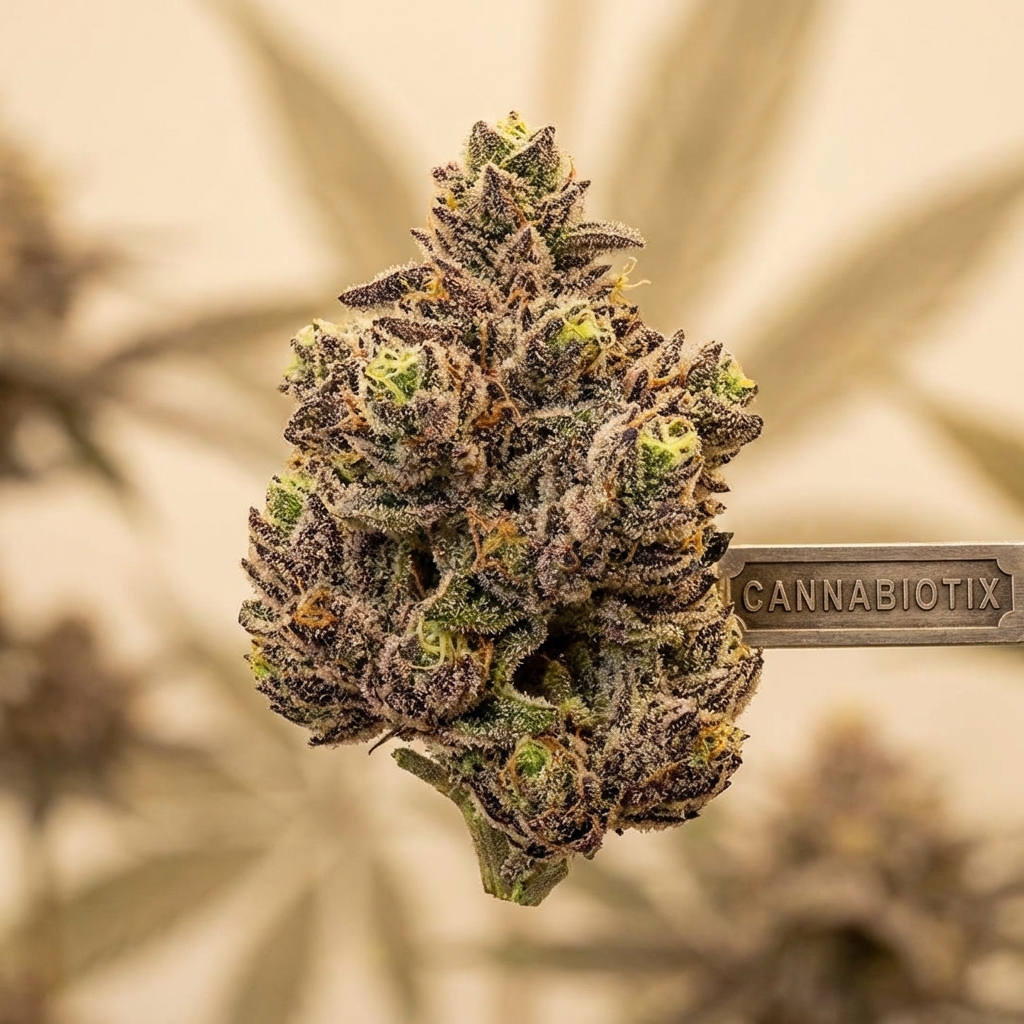
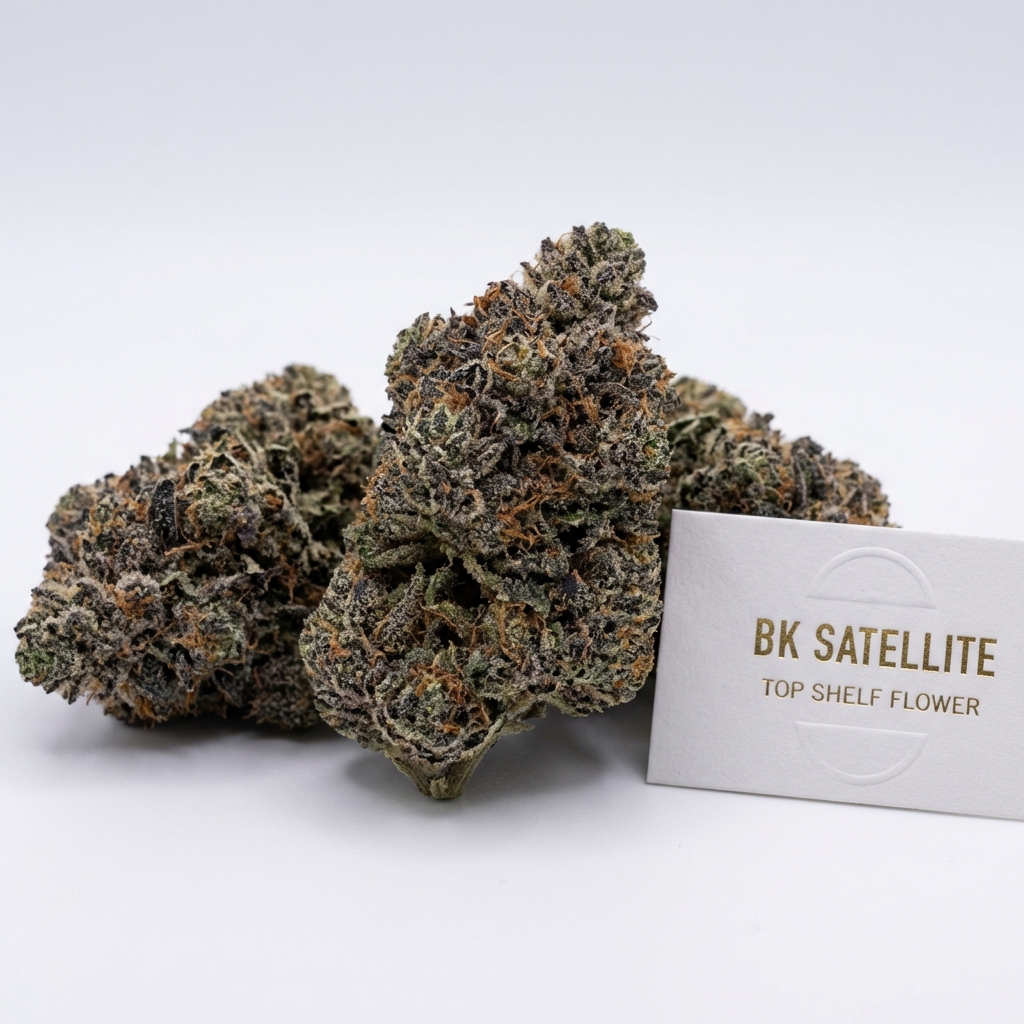
When you open a container of premium cannabis and take in that distinctive aroma—whether it's citrusy, earthy, piney, or fruity—you're experiencing terpenes in action. These aromatic compounds are the unsung heroes of the cannabis experience, contributing not just to smell and taste, but also to the effects you feel.
What Are Terpenes?
Terpenes are organic compounds produced by many plants, including cannabis, lavender, pine trees, and citrus fruits. In nature, plants produce terpenes to attract pollinators or repel predators. In cannabis, these compounds work synergistically with cannabinoids like THC and CBD to create what's known as the "entourage effect."
**Scientific Fact:** Over 200 different terpenes have been identified in cannabis, though most strains contain only a handful in significant concentrations.
The Most Common Cannabis Terpenes
1. Myrcene (Earthy, Musky)
Myrcene is the most abundant terpene in cannabis, found in approximately 40% of known strains. It has an earthy, musky aroma similar to cloves and is also present in mangoes, lemongrass, and hops.
Effects:
**Found In:** Indica-dominant strains like Granddaddy Purple, Blue Dream, OG Kush
**Concentration Range:** Can comprise up to 50% of a strain's terpene profile
2. Limonene (Citrus)
True to its name, limonene delivers a bright, citrusy aroma reminiscent of lemons, oranges, and grapefruits. It's the second most abundant terpene in cannabis and is also found in citrus fruit rinds and juniper.
Effects:
**Found In:** Sativa-dominant strains like Super Lemon Haze, Sour Diesel, Durban Poison
**Statistics:** Studies show that up to 25% of cannabis strains have limonene as a dominant terpene, particularly in sativa varieties.
3. Pinene (Pine, Fresh)
Pinene exists in two forms: alpha-pinene (pine needles) and beta-pinene (rosemary, basil). It's one of the most common terpenes in nature and gives pine trees their characteristic scent.
Effects:
**Found In:** Jack Herer, Blue Dream, Strawberry Cough, Dutch Treat
**Research Note:** Studies suggest pinene may help combat short-term memory impairment associated with THC.
4. Linalool (Floral, Lavender)
Linalool produces a delicate floral scent with spicy undertones, similar to lavender. It's responsible for lavender's calming properties and is also found in over 200 plant species.
Effects:
**Found In:** Amnesia Haze, LA Confidential, Lavender
**Therapeutic Use:** Linalool has been used in traditional medicine for centuries, with research showing up to 60% anxiety reduction in some studies.
5. Caryophyllene (Spicy, Peppery)
Caryophyllene (specifically beta-caryophyllene) is unique among terpenes because it also acts as a cannabinoid, binding to CB2 receptors in the body's endocannabinoid system.
Effects:
**Found In:** GSC (Girl Scout Cookies), Sour Diesel, Chemdog, Bubba Kush
**Medical Research:** Studies show caryophyllene can reduce inflammation by up to 70% in certain conditions.
6. Humulene (Woody, Earthy)
Humulene shares similarities with caryophyllene and contributes to the earthy, woody aroma found in hops, sage, and ginseng.
Effects:
**Found In:** Original Glue (GG4), Headband, Sour Diesel
**Unique Property:** One of the few terpenes that may actually suppress appetite rather than stimulate it.
7. Terpinolene (Herbal, Floral, Piney)
Terpinolene is less common but delivers a complex aroma profile mixing floral, herbal, and piney notes. It's also found in nutmeg, tea tree, and apples.
Effects:
**Found In:** Dutch Treat, Chernobyl, Golden Pineapple
**Prevalence:** Found as a dominant terpene in less than 10% of strains, making it relatively rare.
The Entourage Effect: How Terpenes Work With Cannabinoids
The entourage effect is the synergistic relationship between cannabinoids (THC, CBD, CBN) and terpenes. Research indicates that whole-plant cannabis extracts are more effective than isolated cannabinoids, suggesting that terpenes play a crucial role in cannabis effects.
How It Works:
1. **Modulation**: Terpenes can modify how cannabinoids interact with receptors
2. **Enhanced Absorption**: Some terpenes improve cannabinoid absorption
3. **Unique Profiles**: Different terpene combinations create distinct experiences
**Research Statistics:** Studies show that full-spectrum extracts (with terpenes) can be up to 4x more effective than CBD isolate for certain conditions.
Terpenes and Therapeutic Applications
Pain Management
Strains high in myrcene, caryophyllene, and linalool show the most promise for pain relief.
Anxiety and Stress
Linalool and limonene-dominant strains are preferred by 68% of users seeking anxiety relief.
Sleep Support
Myrcene-heavy indica strains are chosen by 72% of users for sleep issues.
Energy and Focus
Pinene and limonene combinations are favored for daytime use, with 55% of users reporting improved focus.
How to Choose Strains Based on Terpenes
**Step 1:** Identify your desired outcome (relaxation, energy, pain relief, etc.)
**Step 2:** Look for dominant terpenes that match your goals:
**Step 3:** Check lab results or product descriptions for terpene profiles
**Step 4:** Keep a journal to track which terpene profiles work best for you
Preserving Terpenes
Terpenes are volatile and can degrade quickly. To preserve them:
**Degradation Statistics:** Improperly stored cannabis can lose up to 40% of its terpenes within just 2 weeks.
The Future of Terpene Research
Emerging research is exploring:
Conclusion
Terpenes are far more than just aromatic compounds—they're essential to the cannabis experience. By understanding terpene profiles, you can make more informed choices and find strains that truly match your needs.
Key Takeaways:
At Aysani, all our products include detailed terpene profile information so you can make educated decisions about your cannabis experience.
*Disclaimer: Individual experiences may vary. Consult with a healthcare professional before using cannabis for medical purposes.*